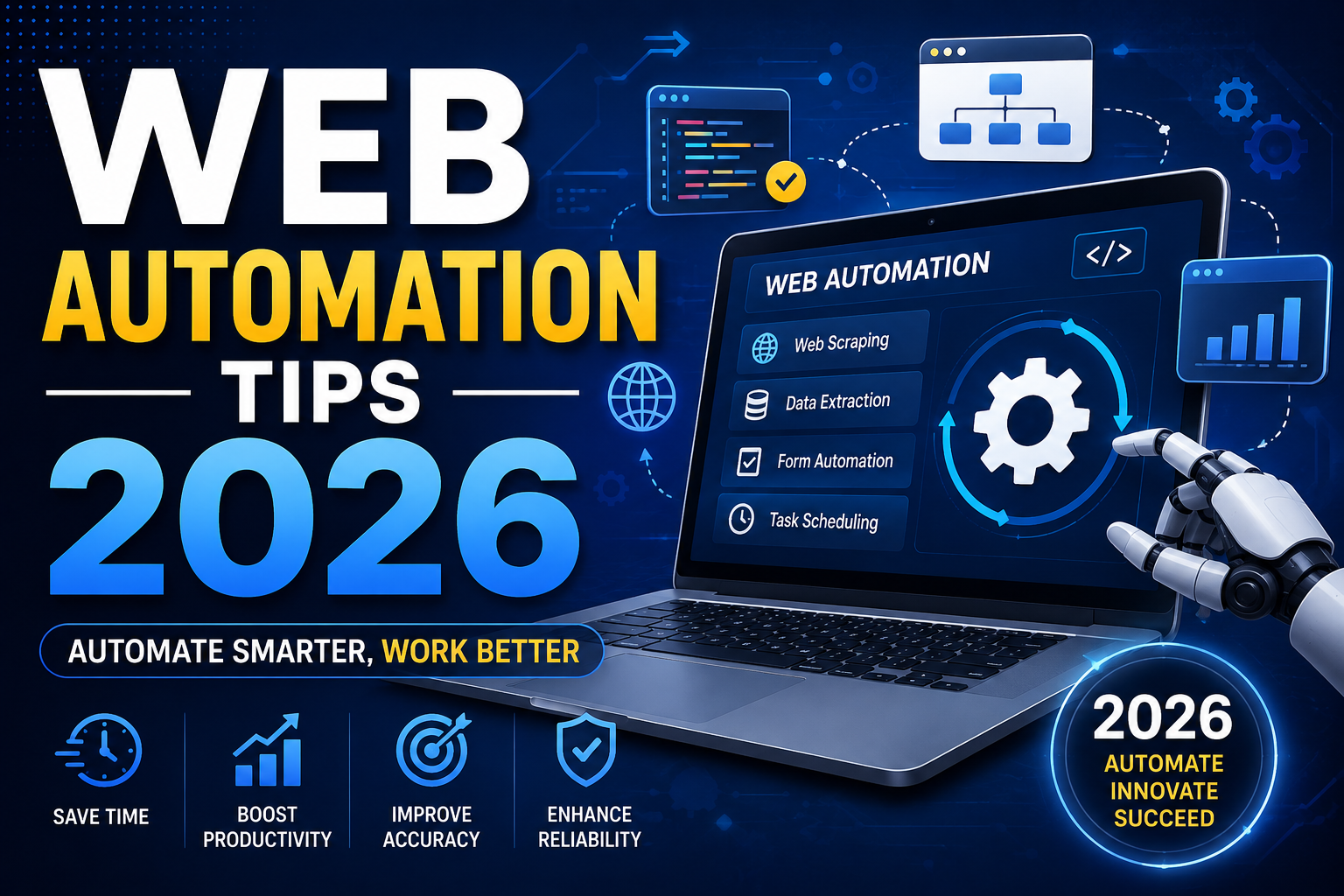
Web Automation Tips 2026
Web automation has quietly moved from a niche developer trick into something almost every business relies on — testing websites, scraping data, or simply getting rid of the repetitive browser tasks that eat up a workday. But the landscape has also gotten crowded, and picking the wrong approach can mean months of maintaining brittle scripts that break every time a website changes its layout. Here’s a practical look at what’s actually working in 2026.
Start With the Task, Not the Tool
The biggest mistake people make is picking a tool before defining what they actually need automated. Before touching any framework, it helps to ask a simple question: is this about testing functionality, scraping data, or eliminating repetitive manual work across apps? These are different problems, and the tool that’s great at one is often mediocre at the others. Teams that skip this step tend to end up with over-engineered solutions for simple tasks, or underpowered tools trying to handle something genuinely complex.
Know Which Camp Your Task Falls Into
Browser automation in 2026 generally splits into four categories, and knowing which one you’re in saves a lot of wasted effort:
Cloud browser APIs handle scaling and anti-bot protection automatically — useful if you’re scraping data from sites with heavy bot detection and don’t want to manage that infrastructure yourself.
Open-source frameworks like Playwright, Puppeteer, and Selenium give you full control at the cost of more setup and maintenance. Playwright has become the go-to choice for developers who want one unified API across Chromium, Firefox, and WebKit, while Selenium remains the most battle-tested option — free, cross-platform, and backed by a huge community, even if it takes more coding know-how to keep running smoothly.
AI-powered agents are the newest category, and arguably the most important shift in 2026. Instead of relying on rigid selectors that break the moment a site’s layout changes, these tools use language models to understand pages more like a human would, making them noticeably more resilient to redesigns.
No-code platforms like Bardeen, UiPath, and Power Automate are built for business users rather than developers — ideal if your team needs automation but doesn’t have engineering resources to spare.
Fix the Fragility Problem With AI
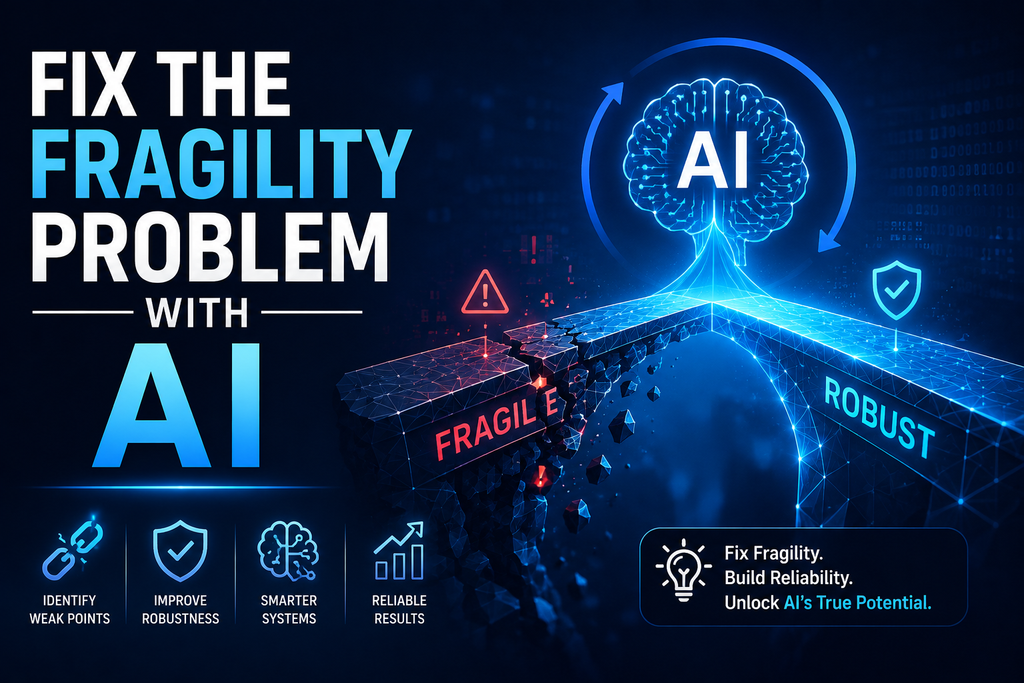
Anyone who’s maintained a Selenium test suite for more than a few months knows the pain: a site updates a single button’s class name, and suddenly half your scripts are failing. This fragility has historically been automation’s biggest weakness. The newer generation of AI-driven tools is specifically built to solve this, using models that can adapt to layout changes instead of relying on exact selectors that snap the instant something shifts. If you’re starting a new automation project in 2026, it’s worth testing at least one AI-native tool alongside a traditional framework before committing.
Don’t Underestimate What Automation Actually Saves
It’s easy to treat automation as a technical nice-to-have rather than a real productivity lever, but the numbers say otherwise. Research on workplace habits has found that knowledge workers spend roughly 58% of their time on “work about work” — status updates, manual data entry, switching between apps — rather than the tasks that actually move projects forward. Web automation targets precisely this category of busywork, which is why even simple automations, like auto-filling forms across tools or syncing data between two apps, can free up a surprising amount of time.
A Few Practical Habits Worth Adopting
Reuse authentication sessions instead of forcing scripts to log in from scratch every run — it keeps workflows faster and reduces unnecessary load on the sites you’re automating.
Run a small pilot before scaling. Testing two or three candidate tools against your actual target site for an afternoon will reveal real cost and reliability differences that no comparison article can predict for your specific case.
Respect the sites you’re interacting with. Whether you’re scraping or testing, avoid hammering servers with requests at a rate that could disrupt the site for other users.
Match the tool to the team, not the trend. A no-code platform might get a non-technical team automating in a day, while the same team would stall out completely trying to learn Playwright from scratch.
Final Thoughts
Web automation in 2026 isn’t about finding one universally “best” tool — it’s about correctly diagnosing your task, understanding which of the four major approaches fits it, and being honest about your team’s technical capacity. Get that match right, and automation stops being a maintenance headache and starts being exactly what it promises: hours of manual work handled quietly in the background.