Droven.io and AI Automation Tools 2026
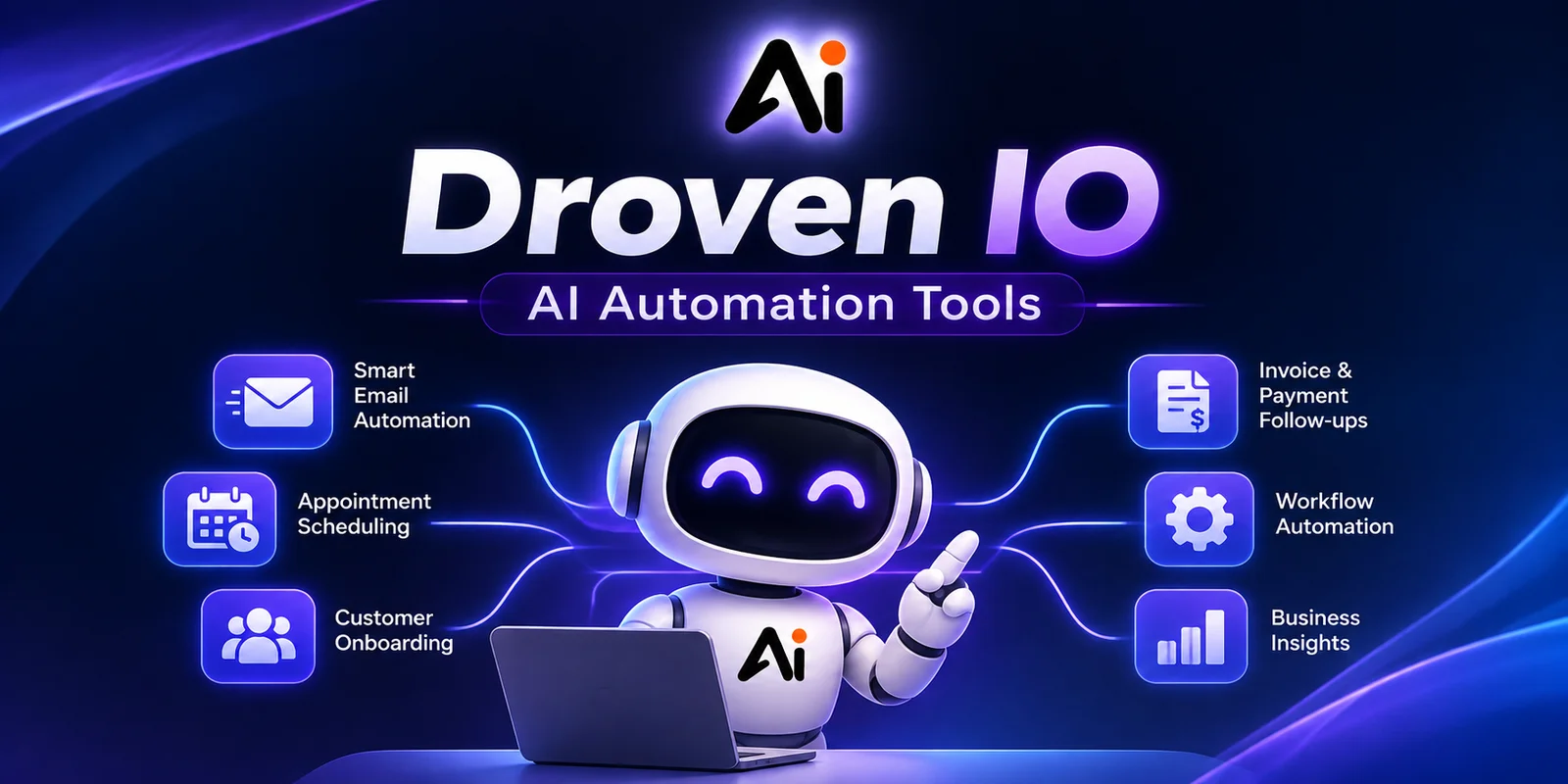
Artificial intelligence has quietly rewired the way modern businesses handle repetitive, time-consuming work. Somewhere in that conversation, the name Droven.io keeps surfacing not as a single automation product but as an editorial platform that explains the landscape of AI automation to people trying to make sense of it. Understanding what Droven.io actually is and what the broader category of “AI automation tools” covers helps separate genuine insight from marketing noise.
What Droven.io Actually Is
A common misconception is that Droven.io is a software product you sign up for and start automating tasks with immediately, similar to Zapier or UiPath. In reality, it functions more like a knowledge resource — a publication focused on artificial intelligence, robotic process automation (RPA), digital transformation, and related technology trends. Rather than selling a tool, it aims to help business owners, developers, and decision-makers understand automation categories before they commit budget to a specific platform. Think of it as a research layer that sits between flashy product demos and dense academic papers, translating both into something a business leader can actually act on.
This distinction matters because many people search for “Droven.io AI automation tools” expecting a single application. What they find instead is guidance on an entire ecosystem of automation technologies.
The Core Categories of AI Automation
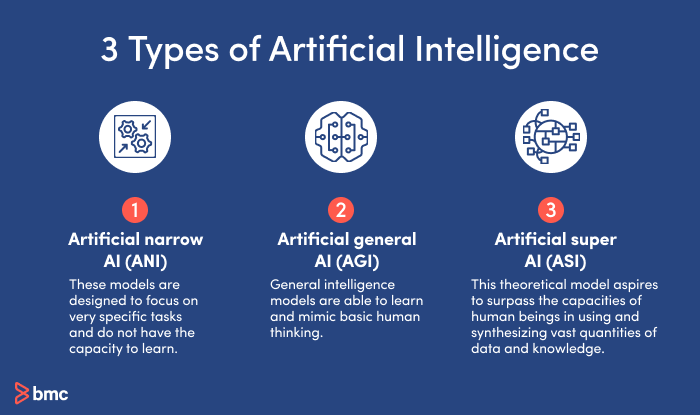
Broadly, the tools covered under this umbrella fall into a few recognizable groups:
Workflow automation platform services like n8n, Make, and Zapier’s AI features connect different apps and trigger sequences of actions based on rules or AI-detected conditions. These form the backbone of most mid-sized business automation.
Conversational AI systems—chatbots and voice agents built on large language models—handle customer support, lead qualification, and appointment booking without constant human oversight.
Robotic process automation (RPA) tools such as UiPath and Automation Anywhere replicate repetitive, screen-level tasks like data entry, invoice processing, and compliance reporting.
AI agents and orchestration layers a newer category that combines a tool-use loop, memory, and sometimes retrieval-augmented generation, allowing an AI system to complete multi-step tasks rather than a single scripted action.
Together, these categories let organizations automate customer support, sales operations, document handling, CRM updates, and dozens of other workflows that used to require manual, repetitive effort.
Why Two Companies Get Different Results From the Same Tool
One of the more useful insights in this space is that identical software rarely produces identical outcomes. Two businesses can deploy the same automation platform and end up with completely different results, largely because success depends less on the tool itself and more on implementation discipline.
Common failure patterns include trying to automate everything at once instead of validating one process before expanding and removing humans from the loop entirely. Full autonomy without a clear escalation path tends to erode customer trust the moment the system makes a mistake. Developer communities that discuss AI agent reliability consistently point to the same root causes: poor memory design, weak retrieval quality, and unclear boundaries around what a tool is actually allowed to do — not the underlying AI model itself.
Getting Started the Right Way
For businesses new to this space, a few practical habits tend to separate successful automation rollouts from expensive failures:
- Start small, automating one high-impact process rather than an entire department at once.
- Prioritize clean, well-structured data, since poor input data reliably produces poor automation results.
- Build in a human escalation path for edge cases the system can’t confidently resolve.
- Monitor performance analytics regularly and adjust workflows based on real usage, not assumptions.
- Treat AI suggestions as a starting point rather than a fixed rulebook, refining them over time.
the Bottom Line
Whether or not “Droven.io” specifically enters a business’s research process, the underlying lesson holds: AI automation tools are not a single product category, and success isn’t determined by which platform a company chooses. RPA, workflow builders, conversational AI, and agentic systems all solve different problems, and the businesses that benefit most tend to be the ones that pick a narrow, well-defined process, implement it carefully, and expand only after proving it works. In a market flooded with new tools every month, that kind of disciplined, incremental approach remains the real differentiator — far more than any single piece of software.