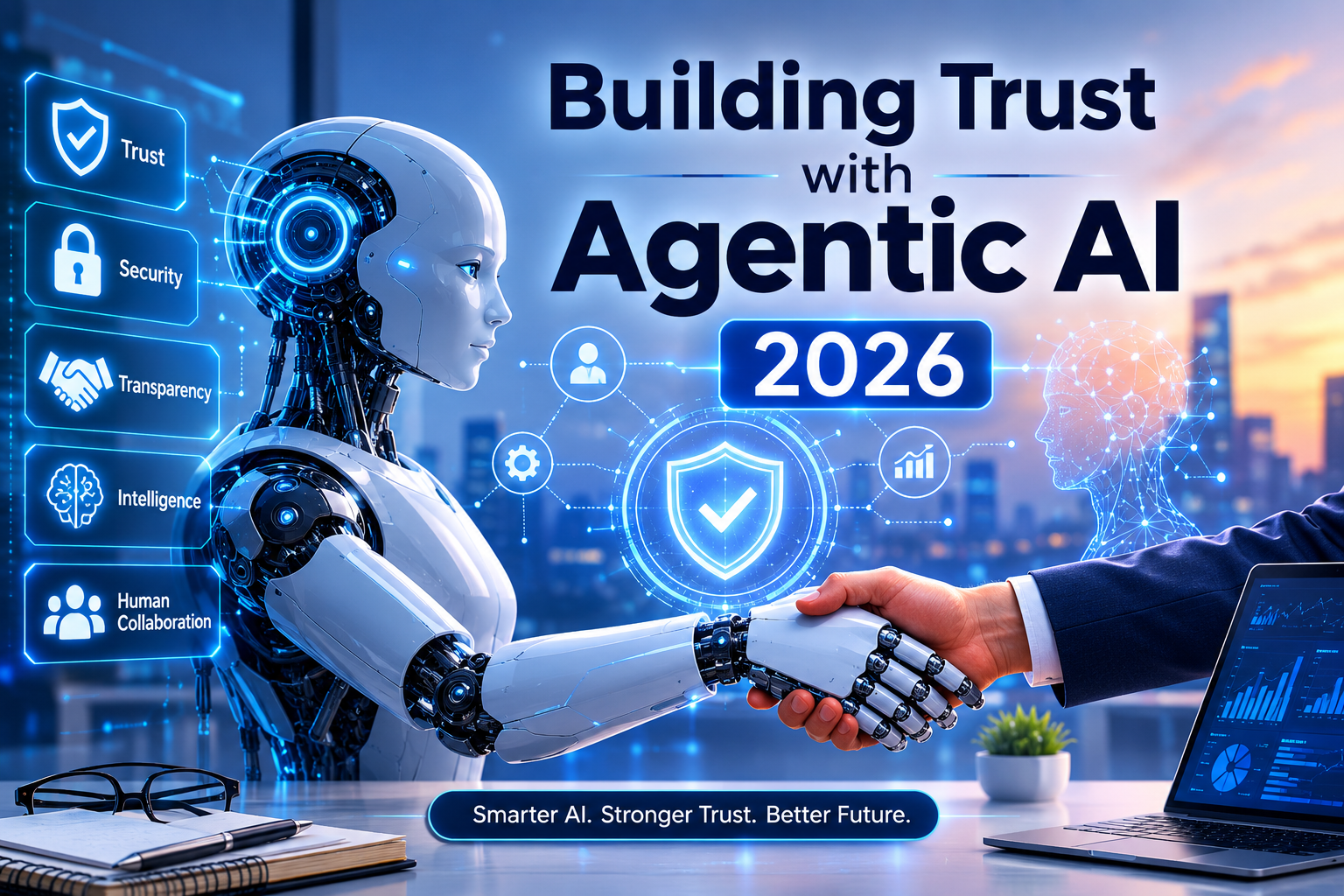
Building Trust with Agentic AI 2026
As AI agents move from answering questions to actually taking action — resetting passwords, approving transactions, routing support tickets, verifying customers — a new question has become unavoidable: how does anyone know the agent, and the person or system it’s talking to, can actually be trusted? Pindrop, a company that built its reputation on voice authentication and fraud detection, has spent years wrestling with exactly this problem in call centres and customer service lines. Its approach to agentic AI trust offers a useful blueprint for any organisation deploying autonomous systems today.
Trust Starts With Identity, Not Capability
Most conversations about agentic AI focus on what an agent can do — how well it reasons, how naturally it converses, how many tasks it can automate. Pindrop’s experience points to a different starting question: who is the agent actually talking to, and is that interaction legitimate in the first place? Before an AI agent takes any consequential action, it needs a reliable answer to that question. An agent that can’t verify identity is vulnerable to manipulation regardless of how sophisticated its reasoning is.
This lesson didn’t originate with AI. Pindrop built its core business analyzing voice characteristics and behavioral patterns to catch fraud in financial services, insurance, and telecom call centers — industries where a single impersonated caller can result in real financial loss. That same discipline, focused on verifying who’s really on the other end of an interaction, becomes even more critical once an AI agent is the one making decisions instead of a human agent.
The Threat Landscape Has Changed Shape
Part of why this matters right now is how fast the fraud landscape has evolved alongside generative AI. Pindrop’s own research indicates roughly one in every 599 calls now involves some form of fraud, and deepfake-related fraud attempts were projected to rise sharply. Thousands of text-to-speech engines are now accessible to virtually anyone, letting even unsophisticated bad actors convincingly impersonate a trusted voice. Pindrop researchers have noted that conversational AI agents can create a false sense of trustworthiness simply because they sound fluent and natural — which is precisely what makes them dangerous when abused for fraud.
The scale has changed too. Fraud rings that once relied on large teams working stolen credentials manually have shifted toward automated, AI-driven attacks that can be run at a fraction of the cost and effort.
From One-Time Gate to Continuous Decision
A key shift in Pindrop’s framework is treating trust as an ongoing, evidence-based process rather than a single checkpoint. Traditional security often works like a locked door: verify once at login, then assume everything afterward is fine. Agentic AI needs something closer to continuous judgment. When an agentic system notices unusual behavior — say, thousands of login attempts within seconds — it shouldn’t just log the event; it should be able to act, whether that means blocking the attempt, demanding additional verification, or escalating the case to a human reviewer. Trust, in this model, becomes a decision that gets re-evaluated constantly as new signals arrive, not a box that gets checked once.
Combining Defense With Investigation
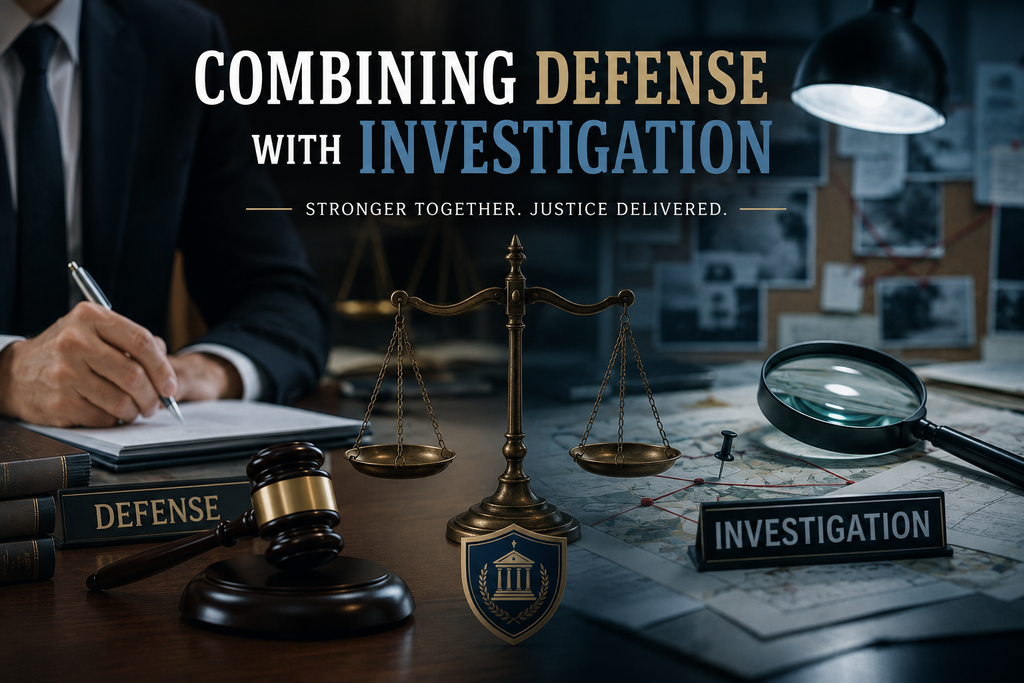
Pindrop’s broader strategy also reflects a two-sided approach to agentic security. On one side is defense — protecting organizations from external AI-driven threats like synthetic voice fraud and impersonation attempts. On the other is using AI itself as an investigative tool, helping human analysts review calls, summarize activity, and spot patterns across large volumes of interactions that would be difficult to catch manually. Products already in use, like Pindrop’s Fraud Assist, illustrate this second half in action — combining automation with human oversight rather than removing people from the loop entirely.
Why This Matters Beyond Fraud Prevention
The lessons here extend well past call centers. Any organization deploying agentic AI — in healthcare, finance, operations, or customer support — faces the same underlying question Pindrop has spent years answering: can you reliably determine who you’re interacting with, and can you trust that the agent itself is operating within its intended boundaries? Giving an AI agent broad permissions before establishing strong identity verification is, in effect, building the house before laying the foundation.
Final Thoughts
Building trust with agentic AI isn’t primarily a modeling problem — it’s an identity and verification problem wearing new clothes. Pindrop’s decades of experience fighting voice fraud translate directly into this new era, reinforcing a simple principle: sophisticated AI capability means little if the system can’t first answer a basic question — who, exactly, is on the other side of this interaction?